Dressmaker Fabrics Hub
Occasion ranks for cotton, linen, wool, silk, and velvet before you spend the bolt.
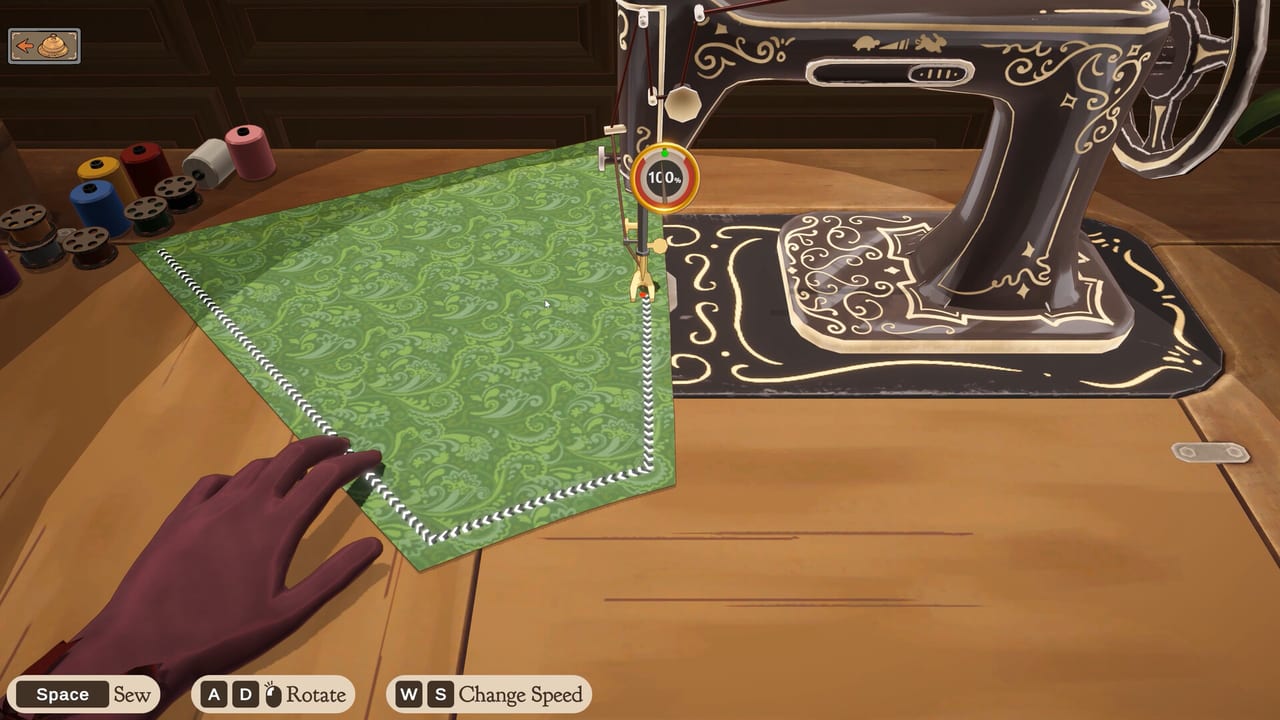
This Fabrics Hub is the Dressmaker ranking map for bolts, trims, and social calendars. Cozy Lives and Free Lives built a shop where the fabric you buy is as important as the silhouette you sketch. A cotton day dress can look perfect on a librarian and cheap at an opera. A velvet ballgown can dazzle after dark and look overdressed at a garden lunch. Use the pages below before you spend coins at the counter.
The itch.io Prototype 0.5.5 already teaches the five core families: cotton, linen, wool, silk, and velvet. Official materials for the full Steam build also mention lace and sequins as extra surfaces, plus a much larger catalog: more than 450 fabrics, 150 dress pieces, and 350 accessories. Those extra bolts are not a reason to ignore the five families. Grain, sheen, and weight still decide whether a commission feels right.
Ranks on this wiki are player-facing advice, not datamined stats. Dressmaker does not publish an S-tier table. Townsfolk react to occasion, style tags, budget, and how cleanly you cut and sew. A “B” fabric sewn on grain with neat buttons often beats an “S” fabric with crooked seams. Pair this hub with the customer guide, the cutting guide, and the sketchbook guide.
Pages in this hub
- Fabric types — cotton through velvet, grain versus bias, and honest S/A/B picks per job.
- Accessories and notions — buttons, bows, lace trim, appliqué, and prototype limits such as thread color.
- Occasion dress guide — library and work, garden party, fundraiser, evening ball, opera, and everyday wear.
Start at the fabric types page if you only want a shopping order. Jump to occasions if a client already named the event. Open accessories when the dress is sewn and you still need sparkle without wrecking the silhouette.
How to read the ranks
S means the fabric is the default buy for that occasion when the budget allows. A means it is safe and often smarter if the client wants restraint. B is usable when you match color and cut carefully. C or lower is a warning, not a ban: sabotage play, tight wallets, or a deliberate mismatch can still be the joke the town remembers.
Two physical rules sit under every rank:
- Grain versus bias. Pieces cut with the grain hang stably and suit workwear. Pieces cut on the bias drape and suit evening silk. The cutting guide shows how to rotate pattern pieces until the grain arrows sit true.
- Sheen versus matte. Cotton and linen read as daytime. Silk and velvet read as candlelight. Wool sits in the middle: dense, professional, and winter-friendly.
If quality scores drop even with the “right” bolt, the problem is usually the machine, not the shop. Slow down with the quality checklist and the sewing guide.
Prototype bolts versus the Steam catalog
Prototype 0.5.5 is playable now as a name-your-price download. It is not the finished Steam game. The Steam version is planned for 21 September 2026 on Windows and macOS, with English, Simplified Chinese, and Japanese. Expect more colorways, extra dress pieces, and decorations the prototype only hints at. Do not wait for a hidden “meta patch” before learning cotton versus silk. The occasion logic already holds in the prototype, and it is the same logic the full shop is built around.
When the Steam catalog lands, revisit this hub for new lace and sequin notes, but keep the same shopping test: Would this fabric belong at the event if a real dressmaker hung it on a mannequin? If the answer is no, pick another bolt even if the color is pretty.
A first-week buying order
New shops run out of coins by treating every client like a ball. Stock a cotton and a linen first so library, work, and everyday tickets stay cheap. Add wool before you chase silk; winter and professional tags show up earlier than opera night. Buy silk when a fundraiser or evening note appears. Save velvet for balls and the opera, where the extra cost reads as status instead of waste.
That order also protects the sketchbook: you can test palettes on affordable cotton before you commit a luxury bolt. If a client’s budget is tight, an honest cotton on grain with pearl buttons often scores better than a scraped-together velvet with messy lace.
The ranks will flex after launch week when more colorways and novelty weaves appear, but the five-family map on fabric types is the sheet you should keep next to the till until those extra bolts actually sit on the shelf.
Frequently Asked Questions
Quick answers for launch week, the prototype, and the sewing loop.
Is this a datamined Dressmaker tier list?
No. Ranks are occasion advice for players. Pair them with the customer guide and actual sewing quality, not hidden stat tables.
Which fabric should I buy first?
Cotton, then linen, then wool. Silk and velvet wait until a client names a formal night. Details live on fabric types.
Do lace and sequins change the ranking?
They are extra surfaces in the full game, not replacements for cotton or silk. Treat them as toppings and read accessories before you pile them on.
Can a cheap fabric still score well?
Yes. A cotton dress cut on grain and sewn slowly often beats luxury cloth with crooked seams. Use the quality checklist before you deliver.
Where do I match fabric to a named event?
Open the occasion dress guide for library, garden party, fundraiser, evening ball, opera, and everyday tickets.