Dressmaker Quality Checklist
Grain, green outlines, slow stitches, and a last look before you call the client.
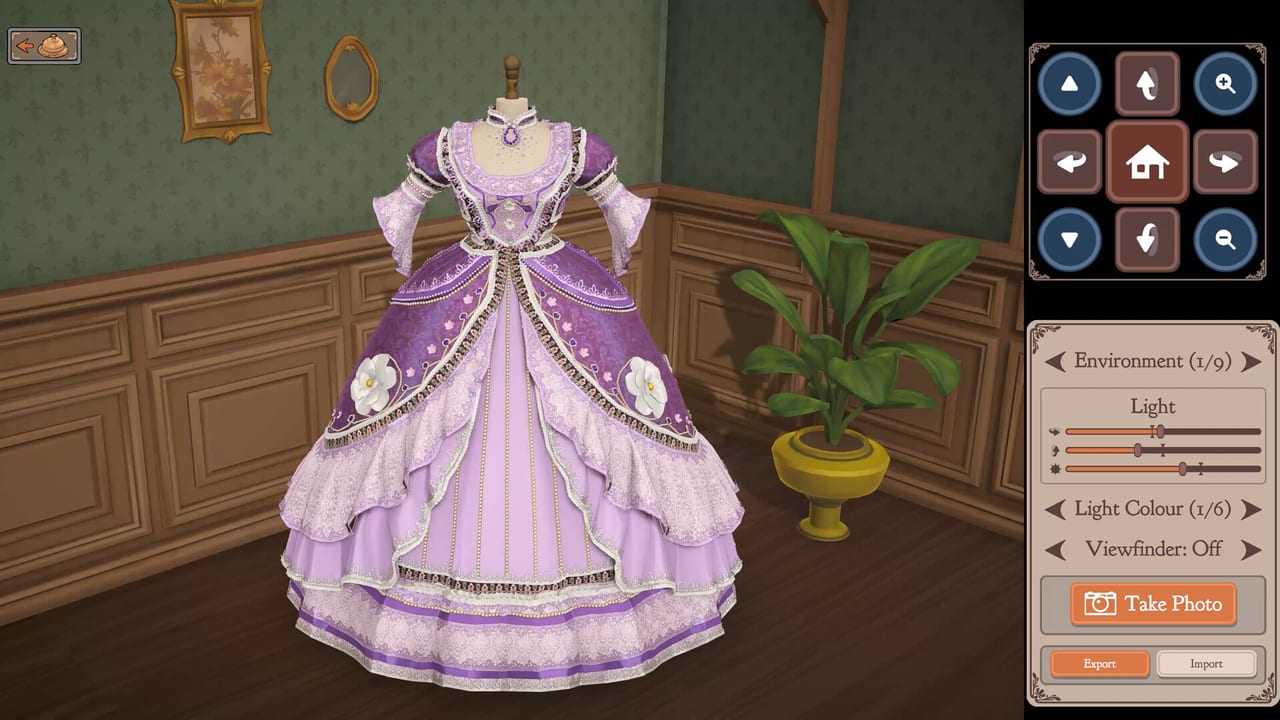
Dressmaker scores a garment on whether it looks like clothes, not on whether you owned the rarest bolt. Players who skip this checklist buy silk, rush the machine, and then wonder why a librarian frowned. Walk the list in order. Do not start at decorations. Pair it with sewing and cutting patterns when a step fails, and with controls if the limiter or rotation is the real problem.
This is player practice from Prototype 0.5.5, not a leaked formula. The Steam game on 21 September 2026 may tune weights, but grain, speed, and occasion will not stop mattering.
1. Read the ticket twice
Write down occasion, budget, and any style tag. Library cotton cannot be rescued by perfect stitches if the client wanted opera velvet. Confirm the room with the occasion dress guide and the bolt with fabric types. Quality starts at the till.
If you are sabotaging on purpose, skip this list and own the joke. Accidental sabotage is just a skipped brief.
2. Sketch before you spend
Open the sketchbook and lock silhouette plus color. Appliqué belongs here, not as a panic sticker on a finished hem. A clear sketch stops you from mixing garden bows with wool winter work. It also stops you from cutting a bias evening skirt when the drawing was a straight grain sheath.
3. Grain arrows, then green outline
On the cutting table:
- Rotate every piece so grain arrows match the plan (grain for work, bias only where drape is the point).
- Wait for the green outline.
- Separate pieces so they do not steal cloth from each other.
- Cut once. Do not “fix” a yellow or red sit with optimism.
Off-grain velvet looks more expensive and more wrong. Off-grain cotton just looks homemade in the sad way. The cutting guide is the long version of this step.
4. Sew on the ants, not on hope
At the machine:
- Feed along the marching-ants line.
- Use mouse click-drag for curves and Space plus arrows for long straights if that steadies you.
- Drop the speed limiter for silk, velvet, darts, and anything near a corner.
- Stop with Space before the turn, pivot, then continue.
Prototype thread color is not selectable, so a wandering stitch stays visible. Slow is cheaper than a recut. Details live in the sewing guide.
5. Hang check on the mannequin
Spin the mannequin. Look at hem evenness, shoulder sit, and whether bias pieces flare as planned. If a panel twists, the grain was wrong and decorations will not hide it. Recut that piece on a cheaper bolt if you are still learning; recut on the same luxury bolt only if the ticket pays for it.
Pet the cat if you need a second, then look again. Tired eyes pass twisted side seams.
6. Notions last, and fewer than you think
Buttons, bows, lace, appliqué — one signal per dress unless the brief is theatrical. Place buttons on a stable placket. Set mannequin angle before lace pins. One pin at a time. Mouse, not trackpad. If lace glitches, remove it and deliver a clean hem. The accessories page is the rank table; this checklist only asks whether the trim is clean.
7. Occasion plus hang plus trim = deliver
Ask three questions out loud:
- Would this fabric walk into that room?
- Does the mannequin hang like clothes?
- Is every extra still attached where you put it?
Yes, yes, yes: call the client. Any no: go back to the matching step. Do not add a second bow to cover a no.
Pre-delivery card you can reuse
- Occasion matched (occasions)
- Bolt matched (fabric types)
- Grain arrows true, outline green
- Limiter low enough for the cloth
- Seams on the ants line
- Hem even on the mannequin
- One decoration family, pins stable
- No floating lace, no stacked bows
Print it in your head. The Steam catalog’s 150-plus pieces and 350-plus accessories will tempt you to skip the card. That is how quality dies on launch weekend.
When scores still sag
If the card is all checks and the client still frowns, you missed personality, not stitches. Re-read the customer guide for taste and budget. A perfect opera velvet on a client who asked for quiet library wool is a brief fail. If personality matches and hang matches, look at prototype bugs: lace paths, ruffle grain quirks called out in 0.5.5 notes, or a piece you sewed twice. Restart the trim, not the whole career.
Keep this checklist in the Tools Hub rotation with controls. Inputs and quality are the same skill viewed from two sides: one is what your hands do, the other is whether the dress survived it. Run both before you touch the next ticket, especially when the calendar jumps from Monday cotton to Friday velvet without mercy.
Frequently Asked Questions
Quick answers for launch week, the prototype, and the sewing loop.
What does a green outline mean?
The pattern piece sits correctly on the bolt, usually with grain arrows aligned. Cut only when it is green. See the cutting guide.
Should I decorate before the hang check?
No. Hang first, notions second. Lace will not fix a twisted panel.
How slow should I sew silk?
Low limiter, stop before corners, follow the marching-ants line. The sewing guide shows the motion; controls shows Space versus drag.
Can I skip grain on everyday cotton?
You can, and the mannequin will tell on you. Everyday tickets are how you practice grain so velvet is not your first lesson.
Lace looks attached but the score dropped. Why?
Prototype lace can float or bunch. Undo the trim and deliver a clean hem rather than stacking a second pass.
Is this checklist the same after Steam launch?
Treat it as the habit. Weights may change on 21 September 2026, but occasion, grain, and slow sewing will still be the shop’s backbone.